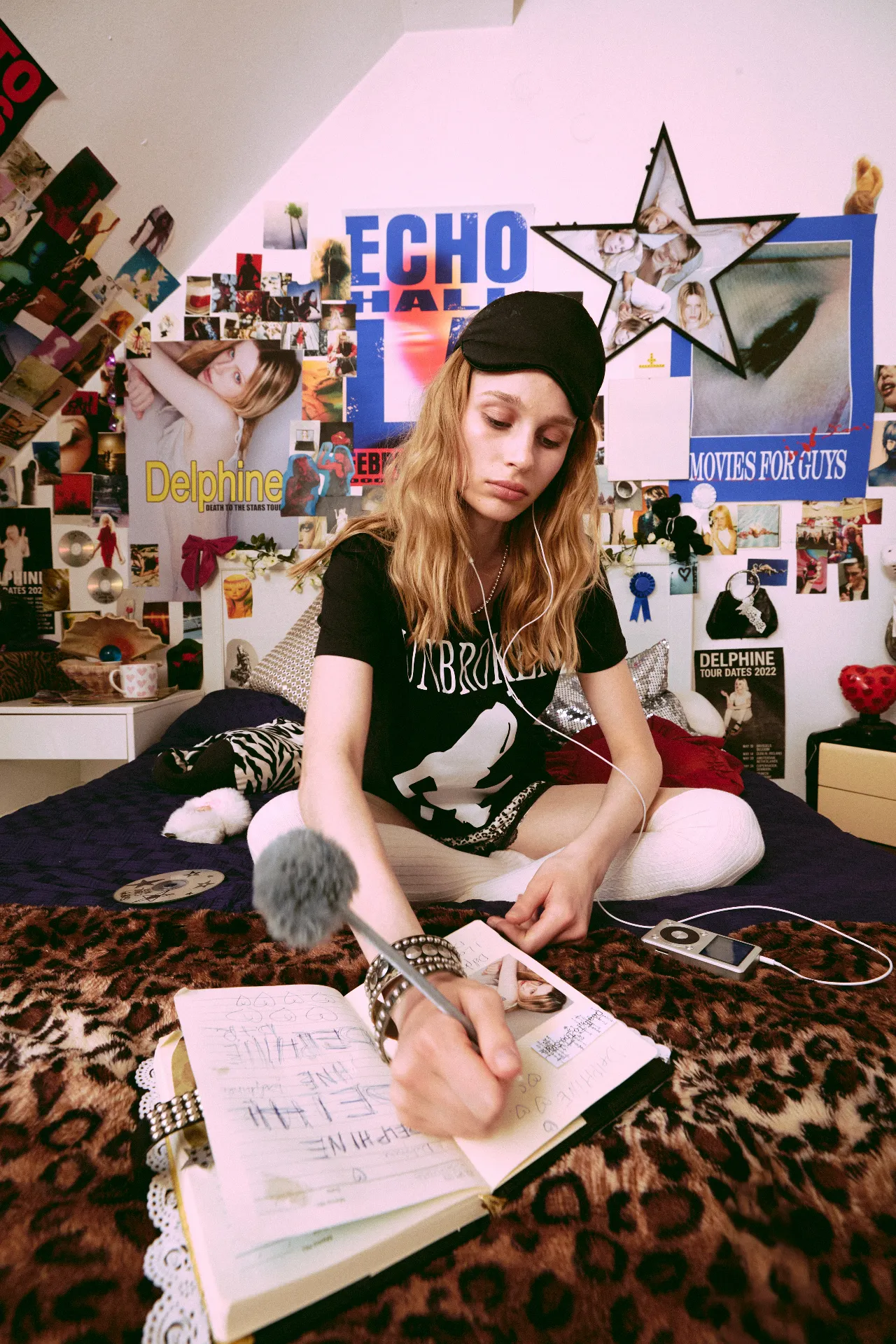
The internet did not stop being creative. It simply changed its conditions.
When people say, “the internet used to be for creatives,” what they are often mourning is not the past itself, but the conditions under which they first experienced it.
The more useful distinction is between people who experienced the transition into digital life and those who inherited its established conditions.
Some people remember digital life becoming part of everyday experience. Others entered an environment where search, social media, and algorithmic discovery were already established. That difference shapes why so much of culture now feels referential before it feels lived.
From Local Village to Globalized Mall
The early internet felt like a village:
- Eccentric, uneven, built through personal pages, forums, and small digital rooms.
- You wandered.
- You overheard.
- You discovered through friction.
Today’s internet functions more like a globalized mall guided by feeds, recommendations, and ads. Discovery is no longer something you wander into. It’s delivered through the algorithm.
What many people describe as the death of the creative Internet is often grief for that earlier condition:
A time when discovery required participation and friction was part of finding something.
As more of life became documented and accessible online, the relationship between information and experience changed with it.
How Experience Became Information
People who experienced the transition into digital life understood it through contrast. Digital products and tools became a layer on top of a life that had already existed.
People who inherited its established conditions entered an information environment where aesthetics, philosophy, identity language, and cultural references were already documented, searchable, and optimized.
Their first experience of discovery is often rediscovery.
The difference is not access to the experience, but the conditions under which someone first encounters it. Information can document an experience, but it cannot substitute for the emotional connection of experiencing something firsthand.
Information Can Never Replace Initiation
Knowing about something is not the same as knowing through it. Inherited knowledge can also lack firsthand context.
Recurring revival cycles are doing more than referencing the past. Borrowed nostalgia has become a way to engage with experiences people never lived through but still feel connected to.
What gets dismissed as superficial is not always superficiality. Sometimes it’s adapting familiar symbols, aesthetics, and cultural references to create a sense of connection in an environment where almost everything has already been documented.
The deeper signal is the search for belonging through recognizable references, shared codes, and the feeling of having found something that can be made personal.
What Happens After Discovery Determines What Lasts Beyond the Trend
“-Core and -Maxxing” cultures give people something to belong to. These micro-trends provide a recognizable entry point to something people already feel, creating an immediate point of connection with others who recognize themselves in it.
However, an aesthetic alone cannot sustain that connection. What looks like trend fatigue is often belonging fatigue. Newness creates the charge of discovery, but without depth that connection is quickly replaced by something new.
That’s why some trends disappear quickly while others develop into market shifts. The difference is whether the product, behavior, or aesthetic gives people something to keep belonging to.
The Conditions for Discovery Can Be Designed For
If users are surrounded by information but starved of initiation, then the product development question becomes clearer:
How do you create something people not only buy, but belong to?
It means designing the right kind of friction that creates participation in what people are discovering.
Optimization Changes the Experience of Sincerity
After years of algorithmic optimization, digital environments have become increasingly effective at anticipating what will feel familiar, relevant, or emotionally resonant.
It works, but repeated exposure also makes the mechanisms behind that responsiveness easier to recognize.
Over time, that changes how sincerity is perceived. When people are constantly exposed to experiences designed to feel relevant to them, they also become more familiar with what manufactured relevance feels like.
Products now launch into an environment where consumers have more experience distinguishing between connection that feels genuine and connection designed to produce a response.
You cannot automate sincerity, but you can design the conditions for people to experience it.
How People Spend Their Time Creates New Design Questions
There are already signals indicating that people may be choosing to spend their time differently.
Analog hobbies, experiential retail, smaller creators, private digital spaces, and long-form education all suggest different ways people are seeking participation, connection, and depth.
Individually, none of these behaviors provides a definitive answer for what people want to experience, but together, they raise useful questions about what may be missing from an environment built around immediate access to information.
- If information is abundant, what makes an experience worth participating in?
- If people can encounter almost any aesthetic from the past, what makes a familiar reference meaningful in the present?
- If new trends provide an immediate point of connection, what gives people a reason to continue participating after the newness wears off?
- If digital experiences are increasingly optimized around what people are likely to respond to, what makes an experience feel sincere?
- If almost anything can be searched, explained, or recommended, where does guidance still create value?
These questions do not prescribe what innovation should look like. They help us consider what people may continue to value as the conditions around them change.
How Innovation Can Create First-Time Feeling
The next era of innovation will not be defined by greater access to information. Access is already abundant.
The opportunity is in creating first-time feeling:
The experience of discovering something for yourself, even when what you are encountering is not entirely new.
That feeling does not require creating something without precedent. Something familiar can still feel like discovery when it is encountered in a different way. When that connection gives people a reason to return, discovery can develop into belonging.
That is the difference between designing only to produce a response and creating the conditions for a connection that feels genuine. The future of creativity is not determined by whether we can recreate the conditions that existed before. It depends on what we create within the conditions we have now.
It is designing first-time feeling in a world that has forgotten what first-time means.
—by THE BUILD BRIEF